 EN
EN
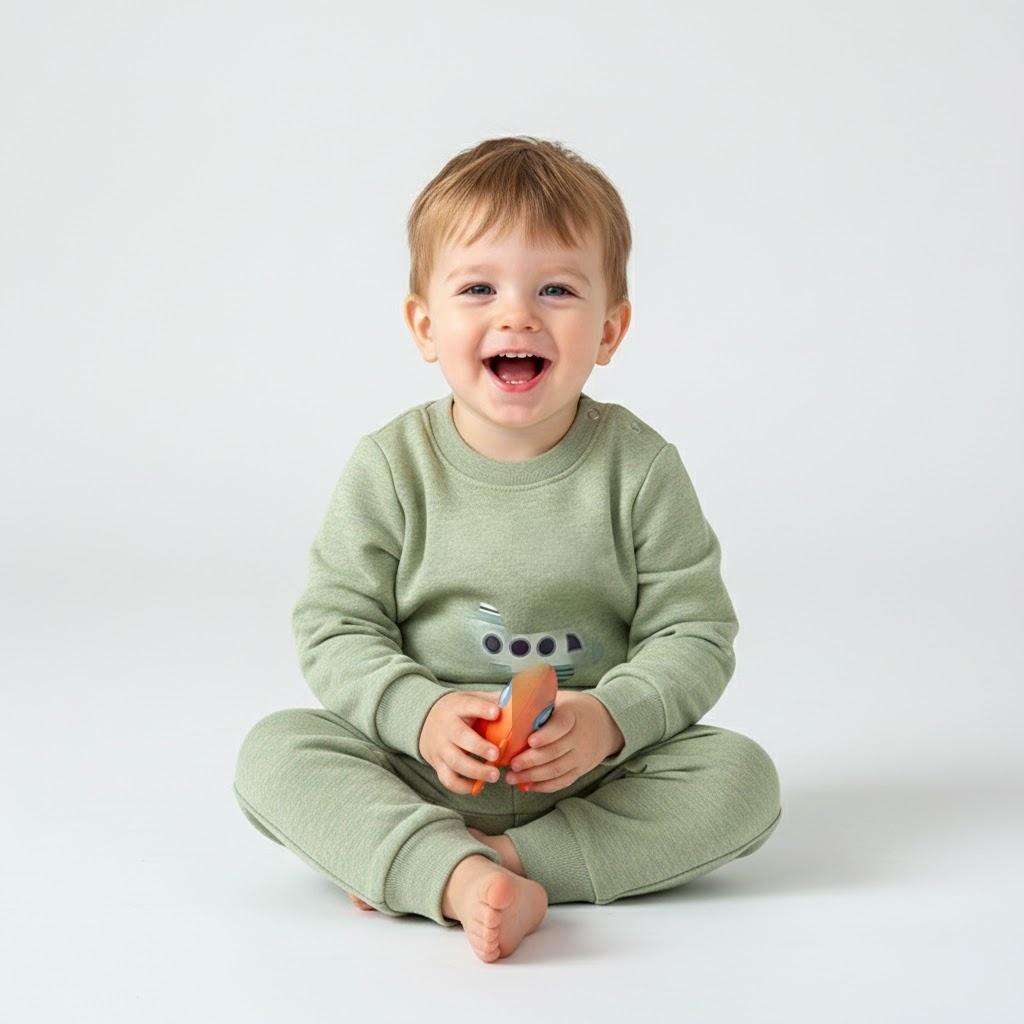
When you choose plant-dyed kidswear, you aren’t just choosing a garment—you’re choosing health, sustainability, craftsmanship, and a centuries-old dyeing heritage revived through modern eco-technology. But how exactly is plant-dyed clothing made? What turns pomegranate peels, sappanwood, madder roots, indigo leaves, or gardenia fruits into the beautiful natural colors you see in children’s apparel?
In this behind-the-scenes guide, we’ll walk you through every step of the plant-dyeing process—from raw material selection to final finishing—so you can understand what makes naturally dyed children’s clothing safer, cleaner, and more unique than conventional apparel.
Why Plant Dyeing Matters in Kidswear
Before exploring the production process, it’s important to understand why plant dyes are becoming a rising trend in babywear and children’s fashion.
1 Zero-Toxic Color Sources
Unlike petrochemical dyes, plant dyes come from raw botanicals such as:
•Pomegranate peel → warm yellows, earthy beige
•Sappanwood → coral pinks and warm reds
•Madder → terracotta, earthy brown-red
•Indigo → classic denim blue
•Gardenia → soft yellows
•Walnut shell → neutral browns
These natural pigments are gentle and contain no azo dyes, no formaldehyde binders, and no heavy-metal fixatives—making them ideal for sensitive skin.
2 Naturally Hypoallergenic
Children’s skin is thinner and more reactive. Plant dyes do not penetrate skin or release harmful chemicals, ensuring a safer wearing experience for infants and toddlers.
3 Sustainable & Circular
Many dye plants come from agricultural by-products:
•Pomegranate peels from fruit factories
•Walnut shells from nut processing
•Sappanwood scraps from carpentry
•Onion skins from household kitchens
Using these waste materials reduces environmental load and supports circular manufacturing.
Step 1: Selecting the Base Fabric
Plant dyeing requires natural fibers, because pigments need pores, texture, and moisture-loving molecules to bond with.
1 Most Common Fibers for Kidswear:
•Organic cotton – soft, breathable, best for babywear
•Cotton-spandex blends – used for activewear, safer stretch than synthetic fibers
•Linen or cotton-linen – breathable and naturally antibacterial
•Organic bamboo viscose – silky, moisture-wicking
Synthetic fibers (polyester, nylon) do not absorb plant dyes—so natural fiber content must be 95–100% for optimal results.
2 Pre-washing (Desizing & Scouring)
Before dyeing, fabrics are cleaned to remove:
•oils
•waxes
•weaving starch
•dust
A simple alkaline bath ensures the fabric absorbs dye evenly.
3. Step 2: Preparing the Plant Dye Materials
Each plant requires different processing before going into the dye bath.
1 Drying & Grinding
Botanicals are dried naturally, then crushed or ground into smaller particles to release pigment more effectively.
2 Extraction
The crushed plants are simmered in water at controlled temperatures.
The pigment slowly migrates into the water, forming a natural dye bath.
3 Filtration
To avoid uneven color or speckling, the raw dye bath is filtered multiple times until it becomes smooth and uniform.
Step 3: Mordanting — The Key to Color Fastness
Plant pigments do not automatically adhere to fabric.
Mordants help the dye bond to fibers, improving:
•wash fastness
•rub fastness
•sun resistance
Safe mordants used in kidswear:
•Aluminum salts (food-grade)
•Tannins (naturally occurring)
•Vinegar or organic acids
These are globally accepted and certified by:
•GOTS (Global Organic Textile Standard)
•OEKO-TEX Standard 100
No heavy metals are used in premium children’s clothing.
Step 4: Dyeing — Traditional Craft Meets Modern Technology
This is the heart of plant dyeing.
1 Completely Hand-Dyed or Machine-Assisted
Depending on quantity, dyeing may be:
•Hand-dipped for premium artisanal pieces
Machine-assisted for mass-customized factory production
2 Temperature & Timing Control
Each plant requires its own recipe:
•Pomegranate → low temperature
•Sappanwood → medium, longer simmer
•Madder → delicate, easily overcooked
•Indigo → fermentation-based, no heating required
Dyeing can take from 60 minutes to several hours.
3 Achieving Unique Tie-Dye or Gradient Effects
Techniques include:
•Binding
•Folding
•Stitch-tie
•Dip-gradient
•Ombre workmanship
Plant pigments produce naturally uneven, organic color patterns—a key selling point that synthetic dyes cannot replicate.
Step 5: Rinsing, Sun-setting & Air-drying
After dyeing, the garments undergo a safe finishing stage.
1 Gentle Rinsing
Excess pigment is washed away using clean water—no chemicals are involved.
2 Natural Sun-setting
Some dyes (e.g., pomegranate, madder) develop richer color when exposed to sunlight.
3 Air-Drying
To retain the natural texture of the pigment, fabrics are hung to dry instead of machine-dried.
This eco-process reduces energy consumption by 40–60%.
Step 6: Cutting, Sewing & Finishing the Garment
Once the dyed fabric is ready, it is turned into kidswear through:
•professional pattern-making
•precision cutting
•high-quality stitching
•embroidered or lace detailing (if needed)
Plant-dyed garments tend to feel softer and smoother after finishing because natural dyes do not coat the fiber surface.
Step 7: Quality Testing for Kidswear Standards
Before shipment, every batch is tested according to:
•CPSIA (U.S.)
•REACH (EU)
•OEKO-TEX 100 (Global)
Testing includes:
•colorfastness to washing
•colorfastness to rubbing
•pH level
•heavy metals (must be zero)
•formaldehyde-free certification
This ensures the final product is safe for newborns, toddlers, and sensitive-skin children.
What Makes Every Plant-Dyed Piece Unique
Every plant, every harvest, and every dye bath creates a slightly different result.
That means each garment is truly one of a kind—a rare concept in an industry driven by mass replication.
Natural variations include:
•slight color depth differences
•organic speckles
•muted, earthy tones
For eco-conscious parents and brands, this uniqueness is a major aesthetic advantage.
Why Brands Are Switching to Plant-Dyed Kidswear
1 Strong Marketing Value
Eco-dyed products appeal to:
•eco boutiques
•baby brands
•organic lifestyle shops
•conscious parents
2 Higher CIF Value
Plant-dyed garments often command:
•30–60% higher retail price
•better brand storytelling
•premium visual identity
3 Certification-Friendly
Natural dyes simplify compliance with global safety standards.
Conclusion: Plant Dyeing Makes Kidswear Healthier, Greener & More Beautiful
Plant-dyed children’s clothing is more than a trend—it is a full-circle design concept rooted in safety, sustainability, and craftsmanship. From botanical sourcing to hand-finishing, each garment embodies:
•clean color
•non-toxic processing
•unique artistic design
As more brands move toward eco-friendly production, plant-dyed kidswear is becoming a flagship category for premium children’s apparel.
If you're building a kidswear brand, adding naturally dyed products not only protects young skin—it elevates your brand’s values and market position.
Table of Contents
- Why Plant Dyeing Matters in Kidswear
- Step 1: Selecting the Base Fabric
- 3. Step 2: Preparing the Plant Dye Materials
- Step 3: Mordanting — The Key to Color Fastness
- Step 4: Dyeing — Traditional Craft Meets Modern Technology
- Step 5: Rinsing, Sun-setting & Air-drying
- Step 6: Cutting, Sewing & Finishing the Garment
- Step 7: Quality Testing for Kidswear Standards
- What Makes Every Plant-Dyed Piece Unique
- Why Brands Are Switching to Plant-Dyed Kidswear
- Conclusion: Plant Dyeing Makes Kidswear Healthier, Greener & More Beautiful