 EN
EN
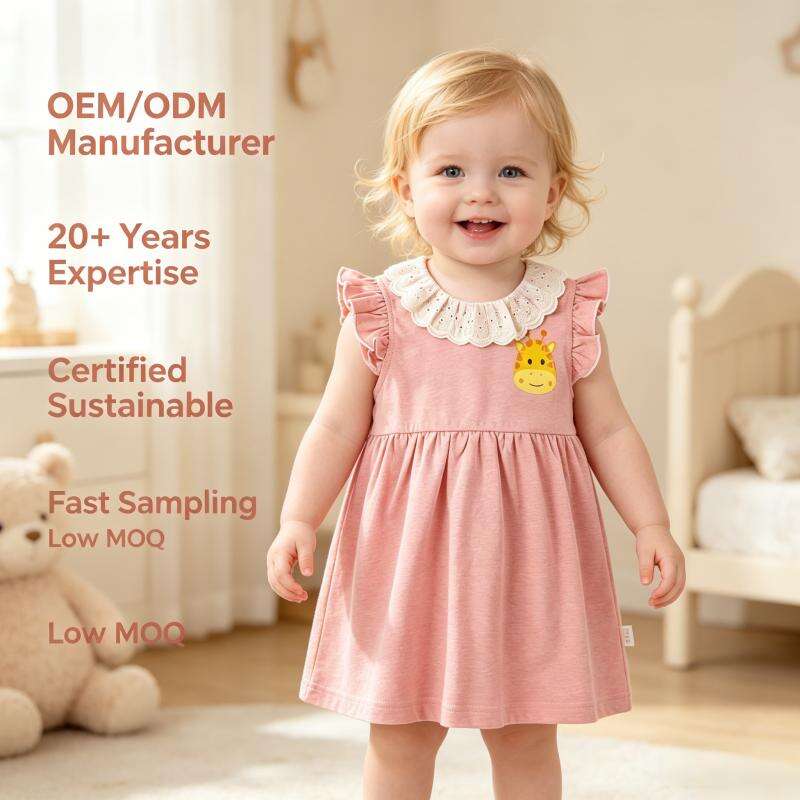
How to Start a Baby Clothing Brand in 2026
The baby apparel market continues to evolve in 2026, but one thing has not changed: parents are still willing to spend more on quality, safety, comfort, and aesthetics for their babies.
At the same time, social media, Shopify, TikTok Shop, Amazon, and niche boutique stores have made it easier than ever for small brands to enter the market with low inventory risk and highly targeted audiences.
If you are planning to launch your own babywear brand, this guide will walk you through the key steps — from choosing a niche to finding the right manufacturing partner.
Why Babywear Is Still a Growing Market
Before asking why baby brands succeed, it is more important to ask whether the market is still worth entering in 2026.
The answer is yes — but only for brands with clear positioning.
The old “generic cheap baby clothes” model is becoming harder to scale because marketplaces are overcrowded. The brands growing fastest today usually focus on one of these directions:
Sustainable fabrics
Premium minimalist aesthetics
Functional babywear
Personalized/customized products
Boutique collections with emotional branding
Small-batch drops for social commerce
Modern parents are buying more than clothing. They are buying:
Safety
Identity
Lifestyle
Social sharing value
Emotional connection
That is why niche baby brands can still grow quickly even with small budgets.
Choosing Your Baby Clothing Niche
One of the biggest mistakes startups make is trying to sell “everything for everyone.”
Instead, build a focused product identity first.
Organic Baby Clothing(https://www.maverlour.com/organic-cotton)
Organic cotton remains one of the strongest categories in baby apparel. Parents increasingly care about:
Skin-friendly fabrics
Chemical-free dyeing
Sustainability certifications
Breathability and softness
Products commonly include:
Baby rompers
Bodysuits
Sleepwear
Swaddles
Newborn essentials
If you target the premium market, certifications like GOTS or OEKO-TEX can help build trust.
Bamboo Baby Clothing(https://www.maverlour.com/bamboo-fiber)
Bamboo babywear has grown rapidly because of its:
Soft touch
Stretch comfort
Moisture-wicking properties
Premium feel
Many startup brands in 2026 are using bamboo viscose for:
Pajamas
Zip rompers
Matching family sets
Seasonal collections
This niche performs especially well on TikTok and Instagram because the fabric visually communicates softness and comfort.
Neutral Style Babywear(https://www.maverlour.com/plant-dye)
Gender-neutral baby fashion continues to trend globally.
Popular characteristics include:
Earth tones
Minimalist prints
Scandinavian-inspired design
Simple logos
Timeless silhouettes
Neutral babywear works well for:
Boutique stores
Premium DTC brands
Gift markets
Social-media-driven brands
It also reduces inventory complexity because styles can sell across broader customer groups.
Boutique Baby Clothing(https://www.maverlour.com/fashion-style)
Boutique brands focus more on emotional storytelling and visual identity.
These brands often succeed through:
Limited collections
Seasonal launches
Handmade-style aesthetics
Embroidery details
Custom packaging
Boutique babywear customers are usually less price-sensitive and more focused on uniqueness.
How to Find a Reliable Baby Clothing Manufacturer
Your manufacturer can determine whether your brand grows smoothly or struggles with delays and quality issues.
Instead of only asking “Who has the cheapest price?”, startups should evaluate suppliers based on:
1. Experience in Babywear
Baby clothing requires:
Strict safety standards
Softer fabrics
Better stitching quality
Child-safe trims and accessories
A factory experienced in adult fashion may not fully understand babywear requirements.
2. Low MOQ Flexibility
Startups should avoid large inventory pressure.
Look for manufacturers that support:
Low MOQ
Mixed sizes/colors
Small-batch testing
Flexible sampling
This helps validate your products before scaling.
3. Sampling Capability
A strong factory should help improve:
Fit
Fabric selection
Print quality
Packaging
Label development
Good manufacturers act more like development partners rather than simple suppliers.
4. Communication Efficiency
Slow communication often leads to:
Production delays
Incorrect samples
Misunderstood specifications
Choose suppliers that respond clearly and quickly.
5. Certifications & Compliance
For international markets, certifications matter.
Common certifications include:
OEKO-TEX
GOTS
BSCI
GRS
CPSIA compliance
These improve trust with retailers and consumers.
OEM vs ODM vs Private Label
Many startup founders confuse these manufacturing models.
OEM (Original Equipment Manufacturing)
OEM means:
You provide your own designs
Factory produces according to your specs
Full customization available
Best for:
Established branding
Unique products
Long-term scaling
ODM (Original Design Manufacturing)
ODM means:
Factory already has ready-made styles
You modify colors, logos, or fabrics
Faster development process
Best for:
Faster launch
Lower development cost
Beginner brands
Private Label Baby Clothing
Private label usually means:
Existing products
Your logo and packaging added
Lower startup risk
Best for:
Testing the market
Small startups
Ecommerce sellers
Amazon brands
For many new businesses in 2026, private label is the fastest path to launching a baby clothing brand.
Typical MOQ & Production Cost
MOQ (Minimum Order Quantity) depends on:
Fabric type
Printing method
Complexity
Customization level
Typical startup MOQs in babywear:
| Product Type | Typical MOQ |
|---|---|
| Basic Bodysuit | 100–300 pcs |
| Bamboo Pajamas | 200–500 pcs |
| Organic Cotton Sets | 200–500 pcs |
| Fully Custom Boutique Styles | 300–1000 pcs |
Production cost usually depends on:
Fabric quality
GSM
Printing
Embroidery
Accessories
Packaging
For startups, it is often smarter to begin with:
Fewer SKUs
Strong branding
Better photography
Faster testing cycles
Instead of launching too many products at once.
How Long Sampling Takes
Sampling timelines vary by complexity.
Typical timelines:
| Process | Estimated Time |
|---|---|
| Tech Pack Review | 1–3 Days |
| Fabric Sourcing | 3–7 Days |
| Sample Development | 5–10 Days |
| Revisions | 3–7 Days |
Most babywear samples take around:
7–14 days for simple styles
2–4 weeks for complex custom designs
Factories with in-house pattern making and fabric sourcing usually move faster.
Common Mistakes Startup Brands Make
Choosing Price Over Quality
Low pricing may seem attractive initially, but poor quality damages brand reputation quickly — especially in babywear.
Launching Too Many Products
Many startups try launching 30–50 SKUs immediately.
A smarter approach is:
5–10 strong products
Clear brand identity
Strong content creation
Fast customer feedback loops
Ignoring Fabric Details
Parents pay close attention to:
Fabric softness
Stretch
Breathability
Shrinkage
Wash durability
Fabric quality often matters more than complicated designs.
Weak Branding
A baby brand is not only selling clothing.
It is selling:
Trust
Lifestyle
Emotion
Parenting aesthetics
Strong packaging, photography, and storytelling are essential.
Working With the Wrong Manufacturer
A poor manufacturing partner can create:
Delayed shipments
Inconsistent sizing
Bad communication
Quality complaints
Long-term success usually comes from stable factory partnerships rather than constantly changing suppliers.
Contact Us for Low MOQ Baby Clothing Manufacturing
Looking for a reliable baby clothing manufacturer for startups?
We help emerging babywear brands with:
Low MOQ production
OEM / ODM / Private Label services
Organic & bamboo fabric sourcing
Custom logo & packaging
Fast sampling
Boutique-quality manufacturing
Whether you are launching your first babywear collection or scaling your existing brand, our team can support flexible and efficient production solutions for global markets.
Contact us today to start building your baby clothing brand in 2026.
Table of Contents
- How to Start a Baby Clothing Brand in 2026
- Why Babywear Is Still a Growing Market
- Choosing Your Baby Clothing Niche
- How to Find a Reliable Baby Clothing Manufacturer
- OEM vs ODM vs Private Label
- Typical MOQ & Production Cost
- How Long Sampling Takes
- Common Mistakes Startup Brands Make
- Contact Us for Low MOQ Baby Clothing Manufacturing