
 EN
EN
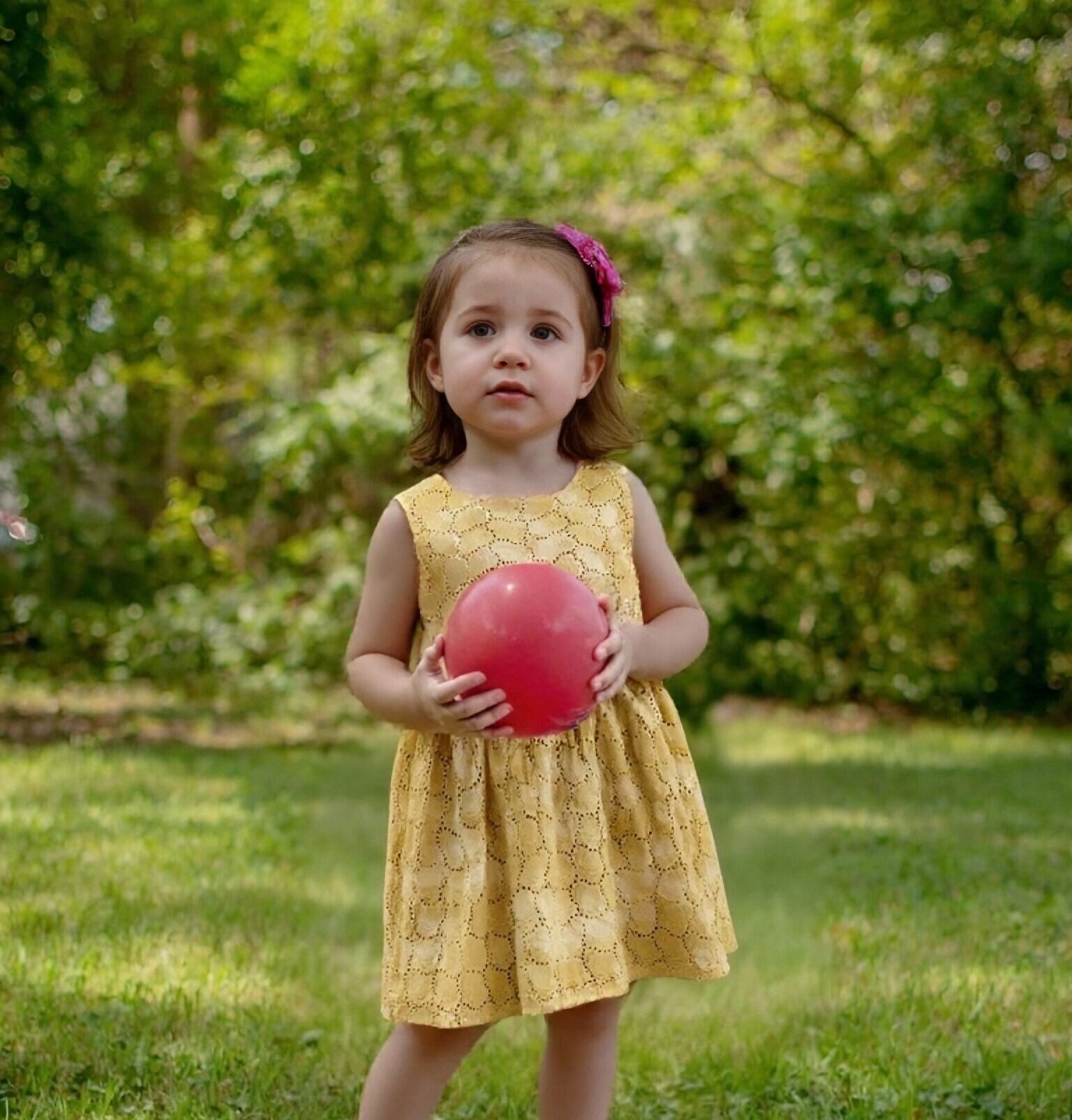
Natural Dye vs Chemical Dye: The Truth Every Kidswear Brand Should Know
Color is one of the most powerful visual elements in kidswear and baby clothing. But behind every color lies a dyeing process—one that can be either clean and natural, or chemical and potentially harmful.As parents worldwide pay closer attention to the safety and sustainability of their children’s clothing, brands are increasingly turning their attention to plant-based natural dyes as an alternative to widely used synthetic chemical dyes.
But what exactly is the difference?
Which dyeing method is safer?
And how do these dyeing choices impact a brand’s long-term value?
This comprehensive guide breaks down everything kidswear brands, designers, and sourcing managers need to know.
What Are Chemical Dyes?
Chemical dyes—also known as synthetic dyes—are manufactured using petroleum-based chemicals. They are the dominant dyeing method in the global textile market due to their low cost, strong color fastness, and mass-production convenience.
However, many chemical dyes contain harmful substances such as:
•Azo dyes
•Formaldehyde
•Heavy metals (lead, chromium, cadmium)
•Petroleum-based solvents
•Carcinogenic aromatic amines
While not all chemical dyes are harmful, the reality is that low-cost chemical dyeing processes often fail to meet safety standards, especially in smaller factories or uncontrolled supply chains.
For adults, small amounts may not create immediate health issues.
For babies and kids?
It’s a different story.
What Is Natural Plant Dye?
Natural dye is derived from plants, roots, leaves, fruit skins, wood, and flowers. Common examples include:
•Pomegranate peel — golden yellow & warm brown tones
•Madder root — pink, rose, coral
•Sappanwood — soft red & blush tones
•Indigo — blue tones
•Walnut husk — deep brown
•Onion skin — yellow & amber
•Tea leaves — beige & light brown
These dyes are:
•Non-toxic
•Hypoallergenic
•Biodegradable
•Safe for babies and sensitive skin
Plant dyeing avoids the harsh chemicals typically found in conventional dyeing processes, making it the preferred choice for eco-friendly kidswear brands.
Natural Dye vs Chemical Dye — Key Differences
To help kidswear designers and brand buyers make informed decisions, here is a full comparison:
1. Skin Safety
Chemical Dyes
Chemical residues can remain on finished clothing even after washing. For babies and young children (whose skin barrier is only half as thick as adults), this can lead to:
•Rashes
•Allergies
•Atopic dermatitis
•Itching or red patches
Natural Plant Dyes
Plant dyes are non-irritating, making them ideal for:
•Newborns
•Eczema-prone children
•Allergy-sensitive skin
•Premium infant clothing lines
✔ Winner: Plant Dye
2. Environmental Impact
Chemical Dye
•Produces toxic wastewater
•Requires large amounts of energy and chemicals
•Pollutes rivers and ecosystems
•Long-term environmental damage
Plant Dye
•Uses biodegradable natural ingredients
•Wastewater is non-toxic
•Requires lower energy consumption
•Supports circular, low-impact manufacturing
✔ Winner: Plant Dye
3. Color Fastness
Chemical Dye
•Generally stronger color fastness
•More resistant to fading
•Suitable for highly saturated tones
Plant Dye
•Softer, more natural tones
•Slight tonal variation adds uniqueness
•Modern plant-dye bonding technology has improved durability significantly
✔ Winner: Chemical Dye(But plant dye is catching up fast)
4. Aesthetic Appeal
Chemical Dye
•Uniform colors
•Bright, synthetic tones
•Less “natural” visual feel
Plant Dye
•Soft, earthy, calming tones
•Unique uneven patterns (especially tie-dye)
•Naturally beautiful aesthetic
•Highly valued in premium and boutique kidswear brands
✔ Winner: Plant Dye(Especially for brands seeking uniqueness)
5. Brand Value & Market Positioning
Chemical Dye
•Low cost, high margin
•Common across mass-market fast fashion
Plant Dye
•Supports premium price positioning
•Strong storytelling value
•Appeals to eco-conscious parents
•Enhances brand trust and authenticity
•Strong differentiation in crowded markets
✔ Winner: Plant Dye for brand building
✔ Winner: Chemical Dye for mass-market volume
Table of Contents
- Natural Dye vs Chemical Dye: The Truth Every Kidswear Brand Should Know
- What Are Chemical Dyes?
- •Azo dyes
- •Formaldehyde
- •Heavy metals (lead, chromium, cadmium)
- •Petroleum-based solvents
- •Carcinogenic aromatic amines
- What Is Natural Plant Dye?
- •Non-toxic
- •Hypoallergenic
- •Biodegradable
- •Safe for babies and sensitive skin
- 1. Skin Safety
- Chemical Dyes
- Natural Plant Dyes
- 2. Environmental Impact
- Chemical Dye
- Plant Dye
- 3. Color Fastness
- Chemical Dye
- Plant Dye
- 4. Aesthetic Appeal
- Chemical Dye
- 5. Brand Value & Market Positioning
- Chemical Dye
- Plant Dye