 EN
EN
As parents in Europe and the United States continue to demand safer, greener, and more thoughtful products for their children, the kidswear industry is undergoing a transformation. Sustainability is no longer an optional add-on—it has become the standard expectation for modern families.
In 2026, this shift is more visible than ever. From plant-dyed garments to organic textures and nature-inspired colors, sustainable kidswear is shaping the next major design language across global markets. Brands that understand these shifts early can position themselves as leaders in the eco-conscious movement.
This trend report breaks down the key colors, styles, materials, and consumer behaviors defining sustainable kidswear in 2026—and how brands can use these insights to launch winning collections.
1. Earth-Toned Color Palettes Take Center Stage
2026 marks the acceleration of soft, grounded, nature-inspired color palettes. Instead of bright synthetic hues, parents prefer calming tones that reflect mindful living and environmental harmony.
Top Trending Sustainable Colors in 2026
1. Warm Pomegranate Beige
Inspired by natural pomegranate rind dye, this subtle beige carries hints of peach and clay.
• Works well for: baby rompers, dresses, lounge sets
• Associated with: purity, comfort, safety
2. Madder Root Rose
A soft, muted earthy rose tone extracted from madder root.
• Works well for: girl's dresses, bloomers, accessories
• Associated with: warmth, confidence, natural charm
3. Botanical Green
A calm, plant-based green reminiscent of moss, herbs, and forest tones.
• Works well for: unisex tees, toddler joggers, outerwear
• Associated with: eco-values, freshness, groundedness
4. Sappanwood Coral
A naturally vibrant peachy-coral that stands out without feeling synthetic.
• Works well for: summer sets, lightweight tops, occasion dresses
• Associated with: joy, creativity, playfulness
5. Walnut Brown & Soil Neutrals
Rich natural browns are returning strongly in 2026.
• Works well for: minimalist collections, gender-neutral drops
• Associated with: timelessness, reliability, warmth
2. Natural Dyes Become a Must-Have, Not a Trend
In 2026, plant dyeing shifts from “optional sustainable detail” to a core industry standard in premium kidswear.
Parents increasingly ask questions like:
• “What dyes were used?”
• “Is it safe for sensitive skin?”
• “Is the color naturally derived?”
• “Is this chemical-free?”
And brands are responding.
Why Natural Dyes Dominate 2026
• They are gentler on baby skin
• They align with GOTS & OEKO-TEX compliance
• They create unique, artisanal color variations
• They enhance storytelling for branding and marketing
• They satisfy the demand for eco-friendly and traceable production
The most in-demand natural dyes this year include:
• Pomegranate rind → yellow-beige
• Madder root → rose, terracotta
• Sappanwood → coral, warm pink
• Walnut shell → earth brown
• Indigo → soft denim blue
• Myrobalan → mustard yellow
For brands, incorporating plant dyes is not just a sustainability choice—it’s a business strategy to attract conscious consumers.
3. The Rise of Organic Textures and “Touchable Fabric Stories”
In 2026, parents increasingly value tactile textures over plain surfaces. They want clothing that feels natural.
Most Popular Fabrics of the Year
• 100% Organic Cotton
Still the king of kidswear due to comfort, breathability, and hypoallergenic properties.
• Slub Cotton
Irregular, natural texture for a cozy, artisanal look.
• Ribbed Organic Cotton
Trending in baby and toddler apparel for its stretch and softness.
• Muslin & Double Gauze
Light, airy, and ideal for newborn clothing and summer collections.
• Organic French Terry & Fleece
Perfect for sustainable loungewear and activewear.
Parents want clothes that look and feel “real”—not overly processed. Fabric texture has become a powerful storytelling tool.
4. Minimalist Silhouettes Dominate Sustainable Kidswear
2026 designs move toward simplicity and comfort while staying stylish and functional.
Key Style Directions
1. Relaxed-Fit Sets
Matching tops and bottoms in neutral tones—perfect for everyday play.
2. Nature-Inspired Tie-Dye
Soft plant-dyed gradients (not synthetic neon tie-dye).
3. Vintage-Inspired Dresses
Eyelet lace, broderie anglaise, and puff sleeves—yet done with organic materials.
4. Utility-Inspired Kidswear
Pockets, easy zippers, durable canvas textures—but sourced sustainably.
5. Gender-Neutral Designs
Muted palettes that work for all children, making capsule wardrobes easier.
6. Soft Athleisure
Organic cotton-based activewear for school, daycare, and travel.
The 2026 aesthetic blends functionality, comfort, and handcrafted beauty—something parents increasingly value.
5. “Quiet Luxury Kidswear” Goes Sustainable
Inspired by adult fashion trends, kidswear is adopting a quiet luxury philosophy:
• clean lines
• premium materials
• artisan dyeing
• subtle colors
• exceptional comfort
For parents, quiet luxury in kidswear means:
• better fabric = safer for the child
• natural colors = healthier
• minimal design = timeless
• sustainable production = responsible consumption
It’s less about showing off and more about choosing well-made clothing that feels meaningful.
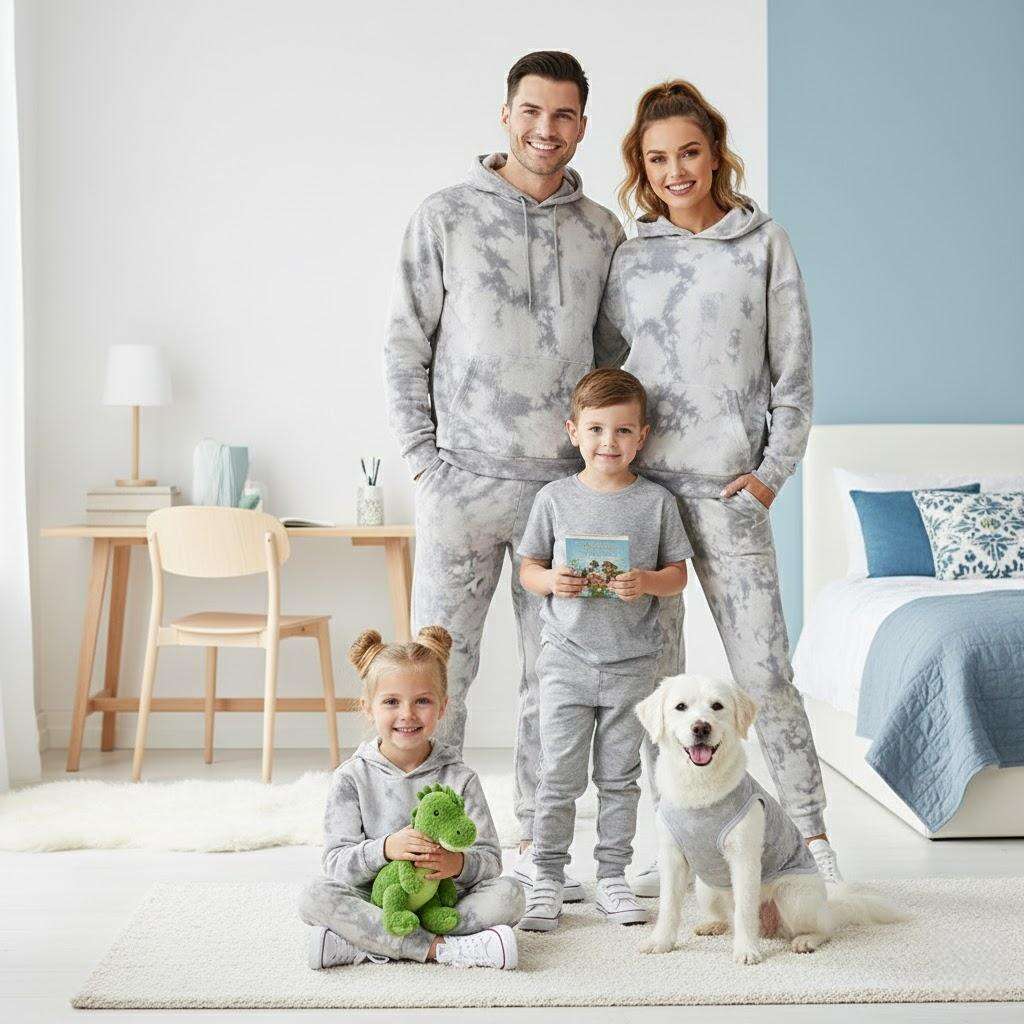
6. Sustainable Matching Sets for Family & Siblings
In 2026, one of the strongest commercial opportunities is coordinated family outfits in eco-friendly materials.
Consumers adore:
• sibling matching sets
• parent-child color families
• soft natural tie-dye capsules
• coordinated pomegranate or madder dyes
These collections perform well because they’re:
• highly photogenic
• ideal for social media
• perfect for gifting
• easy to market with storytelling
• perfect for seasonal campaigns (Mother’s Day, holidays, spring launch)
For brands, this is a high-margin category with strong emotional appeal.
7. Playwear That Supports Healthy Child Development
Sustainability is not only about materials; it’s also about intention.
Parents value clothing that:
• allows kids to move freely
• does not cause skin irritation
• is breathable during activity
• is durable enough for outdoor play
• supports sensory comfort
This fuels trends such as:
• tag-free design
• elastic waistbands
• breathable fabrics
• reinforced knees for toddlers
• temperature-regulating natural fibers
Eco-friendly fashion and functional design are merging into a single consumer expectation.
8. Sustainable Packaging and Branding Matter
In 2026, parents pay attention to packaging too.
They prefer:
• recyclable kraft packaging
• minimal inks
• biodegradable garment bags
• plant-based label printing
• simple, clean branding
Brands that demonstrate sustainability from product to packaging build instant trust with modern families.
9. What This Means for Kidswear Brands in 2026
To succeed in today’s eco-conscious market, brands must combine:
Color Strategy
Earth tones, botanical green, madder rose, and natural neutrals.
Material Strategy
Organic cotton, natural dyes, soft textures, breathable fabrics.
Design Strategy
Minimalist silhouettes, nature-inspired tie-dye, gender-neutral styles.
Storytelling Strategy
Transparency, craft, and sustainability narratives.
Production Strategy
Partnering with low-MOQ ethical manufacturers capable of natural dyeing, organic sourcing, and small-batch artisanal work.
Brands that embrace these pillars will win the hearts of 2026 parents and stand out in an increasingly competitive global market.
Conclusion
2026 is the year sustainable kidswear becomes the mainstream standard, not just a niche. From natural dyeing to grounded color palettes and organic textures, eco-conscious design now defines what modern parents want—and what successful brands must deliver.
By understanding these trends and integrating them into upcoming collections, kidswear brands can build stronger demand, deeper loyalty, and lasting differentiation in a rapidly evolving industry.
Table of Contents
- 1. Earth-Toned Color Palettes Take Center Stage
- 2. Natural Dyes Become a Must-Have, Not a Trend
- 3. The Rise of Organic Textures and “Touchable Fabric Stories”
- 4. Minimalist Silhouettes Dominate Sustainable Kidswear
- 5. “Quiet Luxury Kidswear” Goes Sustainable
- 6. Sustainable Matching Sets for Family & Siblings
- 7. Playwear That Supports Healthy Child Development
- 8. Sustainable Packaging and Branding Matter
- 9. What This Means for Kidswear Brands in 2026
- Conclusion