 EN
EN
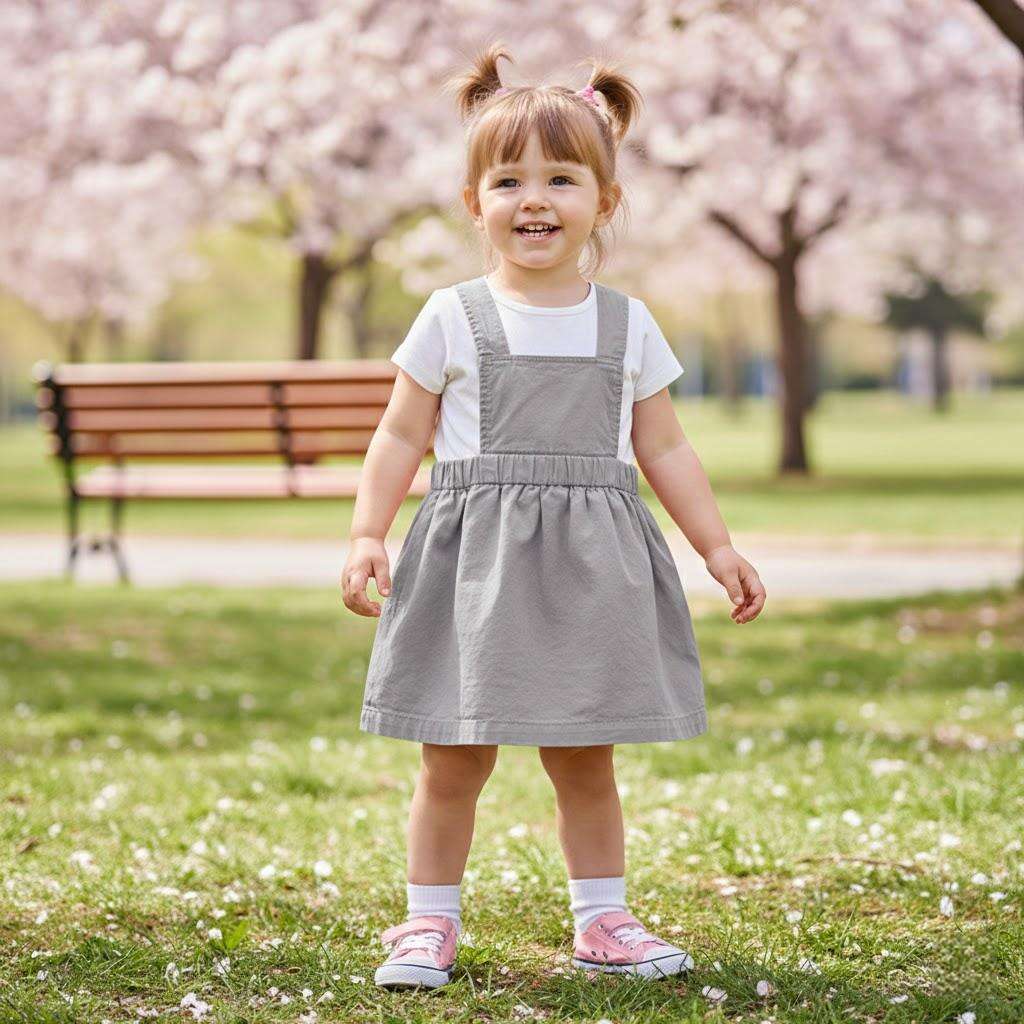
Safety is the number one priority for children’s clothing brands. Whether you are producing newborn onesies, toddler rompers, or premium kidswear collections, your customers expect every fabric, button, and seam to meet the highest health standards.
In recent years, plant-dyed fabrics have gained attention as a safer alternative to chemically dyed textiles. But how safe are they really? Are there hidden risks? And what does safety mean in a regulatory context for brands selling in Europe, the U.S., and other global markets?
This article provides a complete clarity guide for brand owners, sourcing managers, designers, and private-label buyers who want to understand the true safety advantages of plant dyes.
1. What Does “Safe Fabric” Really Mean in Children’s Clothing?
Safety is more than “non-toxic.” For baby and children’s clothing, global regulations are extremely strict.
A safe fabric must meet several criteria:
✔ No harmful chemical residues
No azo dyes, no carcinogens, no heavy metals, no formaldehyde, no toxic dye carriers.
✔ No skin irritation or allergic reactions
Especially for babies with sensitive skin or eczema-prone conditions.
✔ Stable color that doesn’t transfer
No rubbing or washing dye migration that could stain skin or enter a child’s mouth.
✔ Compliance with global standards
REACH, OEKO-TEX®, CPSIA, EN71-3, GB31701 (China), etc.
Plant-dyed fabrics naturally align with these safety criteria—when produced under controlled, modern processes.
2. Why Plant Dyes Are Inherently Safer
Plant dyes come from natural, renewable botanical sources such as:
•Pomegranate rind
•Sappanwood
•Madder root
•Walnut hull
•Indigofera
•Tea leaves
•Onion skins
•Myrobalan
These pigments are extracted from plants using water, heat, and filtration, without synthetic chemistry.
Key safety advantages:
1) Zero petroleum chemicals
Conventional dyes are petroleum-derived, meaning they may contain:
•Aromatic amines
•Azo dye byproducts
•Carcinogenic aromatic hydrocarbons
Plant dyes avoid all of these risk categories.
2) Naturally hypoallergenic
Plant pigments such as tannins or flavonoids do not trigger chemical-sensitivity reactions in most babies.
3) No heavy metal contamination
Synthetic dyes sometimes use chromium, cobalt, nickel, or copper as fixatives.
Plant dyes use:
•Alum (safe at controlled levels)
•Plant-based tannins
•Iron in trace, regulated quantities
4) Gentle on skin
Parents consistently report:
•Fewer rashes
•Less irritation
•Better moisture comfort
•Reduced odor retention
This is crucial for newborn and toddler clothing.
3. Scientific Safety Profile: What Dermatologists Say
Dermatological studies show that natural pigments have extremely low sensitization rates.
Common skin irritants for babies include:
•Chemical dispersants
•Dye carriers
•Finishing agents
•Optical brighteners
•Fragrance additives
Plant dyes contain none of these.
Dermatologists note three major benefits:
✔ Lower allergenicity
Children with eczema, dermatitis, or chemical sensitivities respond better to unbleached or plant-dyed cotton.
✔ Breathability & moisture balance
Plant-dyed cotton retains its natural fiber integrity, unlike chemically treated fabrics.
✔ Anti-bacterial properties in certain dyes
Dyes like pomegranate, walnut hull, and myrobalan naturally suppress bacterial growth.
This creates a safer micro-environment for infants.
4. How Safe Are Plant-Dyed Fabrics Compared With Conventional Dyeing?
Synthetic Dye Risks (common in mass production):
•Azo dyes that release carcinogenic amines
•Residual formaldehyde from resins
•Heavy metals from pigments
•Excessive pH levels
•Chemical softeners and fixatives
•Optical brighteners
•Chlorine bleaching agents
Even high-quality synthetic dyeing introduces chemicals that require strict regulation to ensure safety.
Plant Dye Risk Profile:
•Extremely low toxicity
•Minimal ecological impact
•Controlled, food-grade extraction
•No allergenic carriers
The only potential risk comes from inadequate mordant control, but when dye houses follow modern eco-dyeing methods, these risks are fully managed.
5. Regulatory Compliance: Can Plant-Dyed Fabrics Pass Global Tests?
The answer is YES—and they often perform better than synthetic-dyed cotton.
Plant-dyed fabrics consistently meet or exceed:
✔ OEKO-TEX® Standard 100
✔ REACH Annex XVII
✔ CPSIA (U.S.)
✔ EN71-3 heavy metal migration tests
✔ California Proposition 65
✔ GB31701 (China Children’s Safety Standard)
Because plant dyes contain no harmful chemical residues, they naturally comply with most restricted substance lists.
6. How We Ensure Safety in Production
The safety of plant-dyed fabrics depends heavily on production standards.
Here is how a professional dye house guarantees safety:
1) Food-grade dye extraction
•Filters impurities
•Controls microbial growth
•Ensures pigment purity
•Zero synthetic additives
2) Clean mordanting system
We avoid:
•Chromium
•Copper sulfate
•Tin salts
•High pH chemical solvents
We use:
•High-grade alum
•Plant tannins
•Enzyme pretreatment
3) Strict wastewater control
No toxic effluents, no synthetic aromatics, no heavy metals.
4) Global test reports provided to brand clients
•Colorfastness
•PH level
•Formaldehyde
•Heavy metals
•Azo dye screening
•Odor test
This reassures retailers and distributors.
7. Are There Any Safety Downsides of Plant Dyeing?
While plant dyeing is far safer overall, brands should be aware of possible considerations:
1) Iron mordants may affect ultra-sensitive skin
Rare cases report minor dryness if iron levels are poorly controlled.
Solution: choose dye houses using regulated mordanting.
2) Some plant dyes can contain natural allergens
E.g., walnut hull (Juglone).
But these allergens are significantly milder than chemical dyes and usually don't cause reactions in textiles.
3) Incorrect fixation can cause mild fading
Not a safety issue, but affects appearance.
Overall, the safety benefits significantly outweigh these minor considerations.
8. Why Plant-Dyed Fabrics Are Ideal for Baby & Kidswear Brands
1) Parents trust natural materials
Modern parents actively avoid:
•Harsh chemicals
•Synthetic finishes
•Unknown colorants
Plant dyes fit perfectly into “clean fabric” expectations.
2) Perfect for newborn, infant, and toddler skin
Pure, minimally processed, breathable, and comfortable.
3) Aligns with sustainable & premium brand storytelling
Brand claims supported by real value:
•“Naturally dyed with pomegranate peel.”
•“Zero synthetic chemicals used.”
•“Perfect for sensitive newborn skin.”
This builds trust and provides a strong marketing angle.
4) Better long-term brand positioning
More safety = fewer returns
Better reviews = higher repeat purchase rate
Clean label = stronger brand loyalty
9. The Final Answer: Yes, Plant-Dyed Fabrics Are Extremely Safe
After hundreds of tests and years of production data, the conclusion is clear:
Plant-dyed fabrics are among the safest textile options available for babies and children.
They offer:
•Fewer allergens
•Zero toxic chemicals
•High breathability
•Excellent regulatory compliance
•Healthier contact with delicate skin
For brands, plant-dyed fabrics are not just a trend—they are a strategic upgrade to product safety, sustainability, and emotional appeal.
Need Safe, Certified Plant-Dyed Fabrics for Your Brand?
I can support you with:
•Custom baby/kidswear fabric development
•Pomegranate, madder, walnut, indigo, sappanwood, tea-based colors
•Safety test reports & certification support
•OEM/ODM production with eco-dyeing workflows
•High-quality colorfastness control
Table of Contents
- 1. What Does “Safe Fabric” Really Mean in Children’s Clothing?
- 2. Why Plant Dyes Are Inherently Safer
- 3. Scientific Safety Profile: What Dermatologists Say
- 4. How Safe Are Plant-Dyed Fabrics Compared With Conventional Dyeing?
- 5. Regulatory Compliance: Can Plant-Dyed Fabrics Pass Global Tests?
- 6. How We Ensure Safety in Production
- 7. Are There Any Safety Downsides of Plant Dyeing?
- 8. Why Plant-Dyed Fabrics Are Ideal for Baby & Kidswear Brands
- 9. The Final Answer: Yes, Plant-Dyed Fabrics Are Extremely Safe
- Need Safe, Certified Plant-Dyed Fabrics for Your Brand?