
 EN
EN
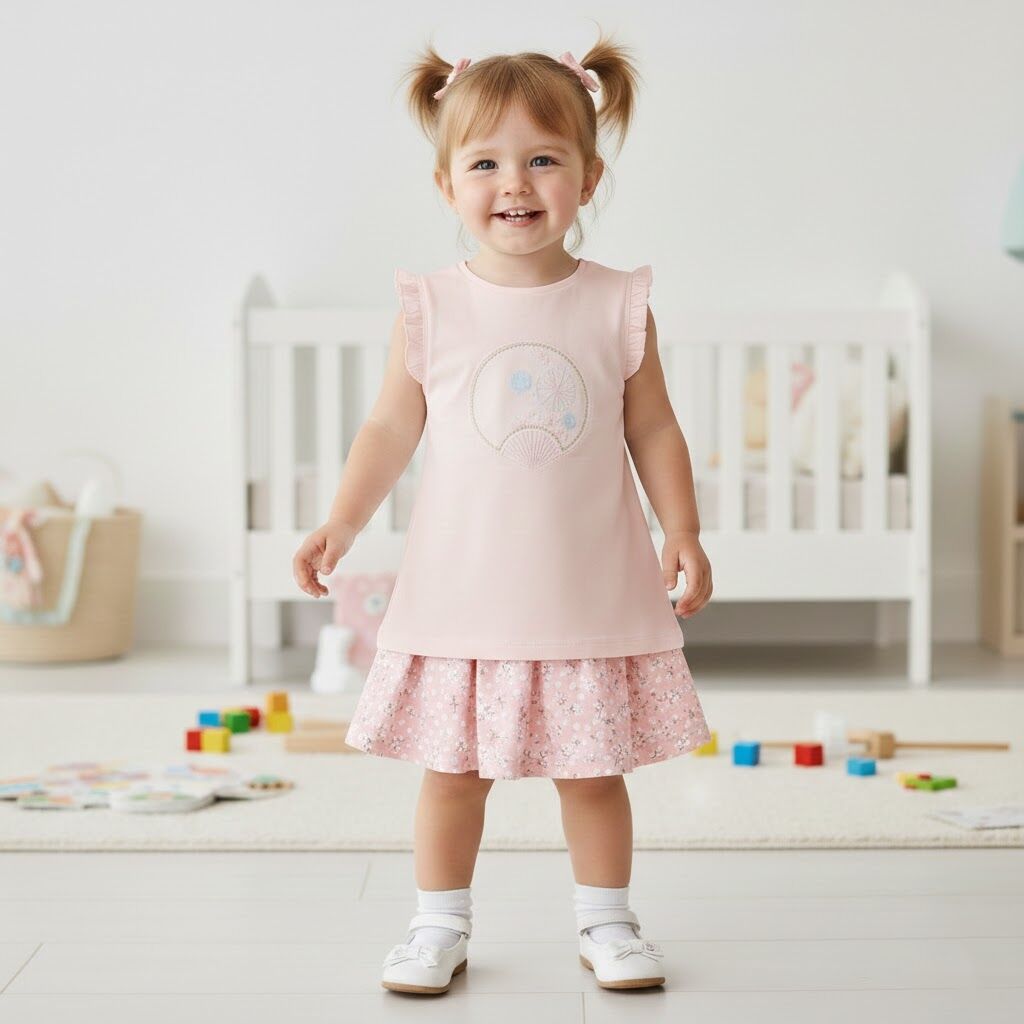
Parents today are more informed, more careful, and more health-driven than ever. When it comes to children’s clothing—especially babywear—safety is not optional. Everything that touches a child’s skin must be toxin-free, gentle, and ethically produced. This is exactly why plant-based dyes have become one of the fastest-growing trends in the kidswear industry.
But beyond marketing claims, what does science actually say about plant dyes?
Why are they safer? How do they bond to fabric?
And what makes them fundamentally different from synthetic chemical dyes?
In this article, we’ll break down the science of botanical dyeing, show you how it protects children’s skin, and explain why global brands are rapidly adding plant-dyed collections to their assortments.
1. The Problem with Traditional Chemical Dyes
To understand the value of plant dyes, you first need to understand the risks of conventional synthetic dyeing.
1.1 Petrochemical Origin
Most commercial dyes used in the textile industry come from petroleum. They often require:
•azo compounds
•aromatic amines
•heavy metal salts
•formaldehyde binders
•alkaline agents
These substances can be irritants—even carcinogens in some conditions—if improperly processed.
1.2 Dye Residue on Fabric
Even after washing and finishing, chemical dyes may leave trace residues.
For adults this is usually safe, but for infants with thinner skin and heightened absorption rates, even small quantities can trigger:
•rashes
•dermatitis
•eczema
•allergic reactions
1.3 Environmental Concerns
Chemical dyeing is the #2 polluter in fashion, generating:
•toxic wastewater
•high salt discharge
•chemical sludge
This environmental burden has led consumers to seek greener, cleaner alternatives.
2. What Makes Plant-Based Dyes Different
Plant dyes—sometimes called natural dyes—come entirely from botanical sources such as roots, bark, leaves, fruits, flowers, or food by-products.
Common dye plants include:
•Pomegranate peel → soft yellow, camel
•Sappanwood → peach, rose pink
•Madder root → terracotta, warm red
•Indigo leaves → deep blue
•Gardenia fruit → bright yellow
•Walnut shell → brown, earth tones
Unlike synthetic dyes, plant dyes do not contain petrochemicals or toxic binders.
3. The Chemistry of Plant Pigments
Plant pigments fall into several major categories, each with its own color behavior.
3.1 Flavonoids
Found in pomegranates, onions, and tea leaves.
They produce:
•yellow
•gold
•earthy beige
Flavonoids have antioxidant properties—meaning they are naturally gentle and non-irritating.
3.2 Anthraquinones
Found in madder, morinda, and rhubarb roots.
They create:
•orange
•coral
•warm red tones
These pigments bond well with cotton and show excellent lightfastness when mordanted properly.
3.3 Tannins
Found in walnut shells, gallnuts, acacia bark.
Provide:
•brown
•grey
•warm neutrals
Tannins also naturally work as mordants, helping other pigments attach more firmly.
3.4 Indigotin
The core pigment in indigo plants.
Responsible for:
•denim blue
•ocean blue
•slate blue
Indigo’s chemistry is unique—it develops color through oxidation, not boiling.
4. Why Plant Dyes Are Safer for Children
4.1 No Harmful Chemicals
Plant dyes contain:
•no azo compounds
•no formaldehyde
•no aromatic amines
•no petrochemical binders
•no heavy metals
This drastically lowers the risk of skin irritation.
4.2 Hypoallergenic & Skin-Friendly
Plant pigments are larger molecular structures that sit on the surface of fibers instead of penetrating deeply.
This means:
•minimal skin absorption
•minimal residue
•no chemical reactions on skin
Studies show natural dyes reduce the incidence of dermatitis in infants and toddlers.
4.3 Breathable Color Layer
Plant dyes do not clog cotton fibers.
Children experience:
•better airflow
•more natural moisture management
•cooler and softer fabric
This is particularly beneficial for babies with eczema-prone skin.
4.4 Naturally Antibacterial Properties
Some botanicals—like pomegranate and walnut—contain natural antioxidants and tannins, which have antibacterial benefits.
This adds an extra layer of protection for babywear.
5. How Plant Dyes Bond to Fabric (The Mordanting Science)
A key part of eco-dyeing is mordanting—helping the pigment “stick” to fabric.
5.1 Safe Mordants
Kidswear brands typically use:
•alum (aluminum potassium sulfate) – food-grade
•tannins – from plant extracts
•citric acid or vinegar – mild acidic agents
These are internationally recognized as safe (OEKO-TEX, GOTS, USDA).
5.2 How Mordants Work
Mordants form a microscopic bridge between pigment and fiber.
This creates:
•stronger colorfastness
•less fading
•better wash performance
•When used correctly, plant-dyed fabrics can achieve the same durability as synthetic dyes—without harmful chemicals.
6. Why Plant-Dyed Colors Look More Natural
Chemical dyes aim for perfect uniformity.
Plant dyes embrace natural variation, which gives them an organic, artisanal appearance.
6.1 Botanical Irregularities
Soil, season, sunlight, and rain affect pigment concentration.
This creates subtle color depth differences.
6.2 Unique Tie-Dye & Gradient Effects
Techniques such as:
•dip dye
•clamp tie-dye
•stitched shibori
•create artistic, one-of-a-kind patterns that brands can use as signature design elements.
7. Plant Dyes and Global Safety Standards
7.1 CPSIA (U.S.)
Plant dyes make it easier to pass:
•lead-free
•phthalate-free
•formaldehyde-free tests
7.2 REACH (EU)
No restricted substances.
Children’s clothing that is plant-dyed often passes REACH testing with minimal corrections.
7.3 OEKO-TEX Standard 100
Natural dyes easily meet requirements for:
•baby product Class I certification
•skin contact safety
This gives brands a strong competitive advantage.
8. Environmental Benefits: A Cleaner Dyeing System
Plant dyeing directly addresses the biggest environmental problems of chemical dyeing.
8.1 Lower Wastewater Pollution
Plant dye baths:
•contain no toxic chemicals
•are biodegradable
•reduce dyehouse waste load
8.2 Lower Energy Consumption
Many plant dyes require lower temperatures, meaning reduced energy use.
8.3 Zero Microplastic Pollution
Synthetic dyes often bind poorly to synthetic fibers and contribute to microplastic shedding.
Plant dyes on natural fibers eliminate this issue completely.
9. Why Global Brands Are Adopting Plant-Dyed Kidswear
9.1 Strong Consumer Appeal
Parents prefer:
•gentle fabrics
•toxin-free dyes
•eco-conscious lifestyle products
This trend is growing in the U.S., Germany, the Netherlands, Japan, and Australia.
9.2 Higher Retail Pricing
Plant-dyed kidswear often sits in the premium to luxury segment, allowing brands to charge:
•+30% to +80% higher retail prices
•improved profit margins
•greater brand perceived value
9.3 Unique Aesthetics
Natural dyeing creates colors that look:
•soft
•organic
•calming
•artistic
Perfect for minimalist and boutique children’s wear.
10. Summary: Plant-Dyed Kidswear Is Science-Backed, Safe & Future-Proof
Plant-based dyes are not just a romantic idea or a “handmade-only” craft.
They are scientifically safer, environmentally positive, and aligned with modern consumer values.
Choosing plant-dyed children’s clothing means choosing:
•non-toxic color
•cleaner production
•better skin compatibility
•eco-friendly storytelling
•long-term brand sustainability
For kidswear brands looking to differentiate, plant dyeing isn’t just a feature—it’s a future-proof strategy.
Table of Contents
- 1. The Problem with Traditional Chemical Dyes
- 2. What Makes Plant-Based Dyes Different
- 3. The Chemistry of Plant Pigments
- 4. Why Plant Dyes Are Safer for Children
- 5. How Plant Dyes Bond to Fabric (The Mordanting Science)
- 6. Why Plant-Dyed Colors Look More Natural
- 7. Plant Dyes and Global Safety Standards
- 8. Environmental Benefits: A Cleaner Dyeing System
- 9. Why Global Brands Are Adopting Plant-Dyed Kidswear
- 10. Summary: Plant-Dyed Kidswear Is Science-Backed, Safe & Future-Proof