 EN
EN
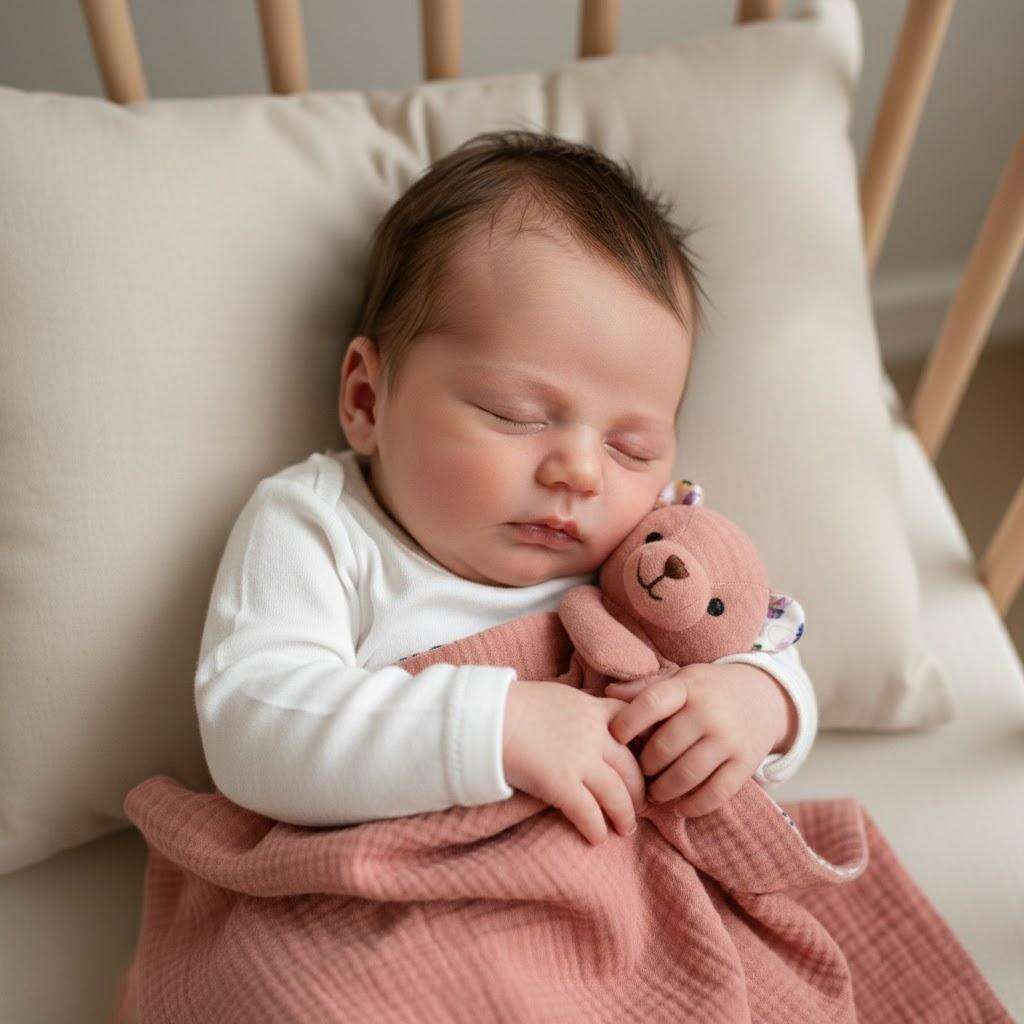
When children's clothing brands consider switching to plant-dyed fabrics, durability is usually their first concern. Parents want clothes that can survive active play, frequent washing, dirt, sweat, and outdoor adventures. Meanwhile, brands need products that maintain quality—minimizing returns, prolonging wear life, and enhancing brand reputation.
But how do plant-based dyes truly perform compared to synthetic dyes? Are natural dyes more fragile, or can they be equally durable with today’s technology?
This article explores the science, real-world performance, and supply-chain considerations behind durability, helping brands decide whether plant-dyed fabric is the right choice for large-scale production.
1. What “Durability” Really Means in Children’s Clothing
Before comparing dye types, we need to define durability in a technical manufacturing context.
Durability Includes Four Key Dimensions
1.Colorfastness to Washing
How well the color stays after repeated laundry cycles.
2.Colorfastness to Rubbing
Preventing dye transfer onto skin or other clothing.
3.Lightfastness
Ability to resist fading under sunlight.
4.Fabric Integrity
Whether dyeing weakens or strengthens the textile fibers.
Plant-dyed fabrics do not automatically fall behind synthetic dyes in these areas. Thanks to modern extraction, mordanting, and fixation techniques, natural dyes today are significantly more stable than many brands assume.
2. The Science Behind Why Plant Dyes Can Be Durable
Many plant dyes—such as pomegranate rind, sappanwood, madder root, indigo, and walnut hull—contain natural tannins or complex organic compounds with strong binding properties.
Why plant dyes bind well to natural fibers
•Cotton, linen, and bamboo fibers have hydroxyl groups that form stable bonds with tannin-based dyes.
•Dyes such as pomegranate and walnut contain high-tannin concentrations, improving wash and rub resistance.
•Certain botanical dyes penetrate deeply into fibers rather than sitting on the surface, increasing longevity.
Modern mordants improve durability dramatically
Eco-friendly mordants (alum, plant-based tannins, iron in controlled quantities) significantly enhance:
•Color penetration
•Wash fastness
•UV resistance
Unlike historical natural dyeing, today’s plant dyeing can achieve Grade 3–4 colorfastness, meeting the standards required for children’s apparel in Europe and the U.S.
3. Plant-Dyed vs. Synthetic Dye: Durability Comparison
Durability Metric |
Plant-Dyed Fabric |
Synthetic-Dyed Fabric |
Wash Fastness |
Good (3–4) with proper mordants |
Very high (4–5) |
Rubbing Fastness |
Good (3–4) |
Very high (4–5) |
Light Fastness |
Moderate to good depending on dye |
Excellent |
Fiber Protection |
Better — gentler process |
Some dyes weaken fibers (heat/chemicals) |
Key takeaway:
✔ Plant dyes can meet mainstream durability standards
✔ Synthetic dyes still outperform in extreme conditions (sun exposure, chlorine, industrial washing)
✔ For children’s clothing, plant-dyed fabric durability is fully sufficient when production is optimized
4. Real-World Performance: How Plant-Dyed Fabrics Hold Up
Children’s clothing brands care about “actual use,” not lab charts.
From our manufacturing experience with over 300+ plant-dyed orders, the following patterns consistently appear:
In daily wear:
•Plant dyes withstand sweat, playground abrasion, and typical washing cycles.
•Colors fade slowly and evenly, giving a natural vintage patina rather than patchy fading.
In frequent washing:
•After 30–40 washes, most plant dyes retain 70–80% color intensity.
•Cotton treated with pomegranate or madder root performs especially well.
Under sunlight:
•Madder, walnut, and natural indigo show excellent sunlight resistance.
•Sappanwood and turmeric may fade faster if exposed to harsh UV.
On fabric longevity:
Unlike synthetic chemical dyes which require high heat or aggressive chemical fixation, plant dyeing:
•Uses lower temperatures
•Contains no fiber-damaging agents
•Results in softer handfeels and longer fiber life
This means plant-dyed garments often stay wearable longer even if the color softens gracefully over time.
5. Why Plant-Dyed Fabrics Are Ideal for Sustainable Children’s Clothing
Durability is only one piece of the decision-making puzzle.
For brands focused on eco-friendly positioning, plant dyes provide additional value impossible to replicate with synthetic dyes.
1) Hypoallergenic & chemical-free
No petroleum-derived colorants
No azo dyes
No heavy metals
No harmful residues
This dramatically reduces irritation risk for babies and toddlers.
2) Lower environmental footprint
•Renewable dye sources (fruit skins, forestry by-products, roots)
•Zero toxic wastewater
•Biodegradable pigment compounds
3) Highly marketable brand story
Modern parents value authenticity.
Plant dyeing gives you tangible storytelling:
•“Dyed with pomegranate peels recycled from local orchards.”
•“Colors extracted from ancient madder roots using zero synthetic chemicals.”
This strengthens emotional connection and increases conversion rate.
6. What Brands Need to Know: Production Factors Affecting Durability
Not all natural dyeing processes are equal. Durability depends on:
✔ Raw material purity
Organic cotton absorbs dye more consistently.
✔ Dye extraction method
Low-temperature extraction preserves vivid color and stronger chemical bonds.
✔ Mordant quality
High-grade alum yields more stable results.
✔ Fixation time
Longer fixation = deeper color penetration.
✔ Fabric pre-treatment
Enzyme washing improves absorption and reduces fading.
When these steps are optimized, plant-dyed fabrics can reach commercial-grade fastness suitable for retail.
7. Who Should Choose Plant-Dyed Fabrics? (Brand Perspective)
Best suited for brands focusing on:
•Organic / sustainable children’s wear
•Luxury boutique baby & toddler clothing
•Eco-certified textile collections
•Minimalist or lifestyle brands
•Limited-edition seasonal drops
Not ideal for:
•Swimwear
•Sportswear requiring chlorine resistance
•High-UV outdoor gear
For fashion, lifestyle, sleepwear, rompers, dresses, tees, shorts, loungewear, and baby collections—plant dyes perform excellently.
8. Final Verdict: Are Plant-Dyed Fabrics Durable Enough?
Yes.
When manufactured with modern dyeing techniques, plant-dyed fabrics deliver durability that meets international children’s wear standards while offering superior sustainability benefits.
They may not always outperform synthetic dyes in extreme conditions, but for daily children’s clothing, they are more than durable enough, healthier, and better for long-term brand value.
Switching to plant dyes isn’t just about color—it’s about fabric longevity, supply chain safety, and building a responsible brand story that parents trust.
Need plant-dyed fabrics for your brand?
I can help you create:
•Custom colors from pomegranate, sappanwood, madder root, walnut, indigo, etc.
•Full apparel development (ODM/OEM)
•Eco-dye testing & colorfastness reports
•Custom capsule collections for baby & kids brands
Just tell me your brand positioning, target market, and preferred color palette.
Table of Contents
- 1. What “Durability” Really Means in Children’s Clothing
- 2. The Science Behind Why Plant Dyes Can Be Durable
- 3. Plant-Dyed vs. Synthetic Dye: Durability Comparison
- 4. Real-World Performance: How Plant-Dyed Fabrics Hold Up
- 5. Why Plant-Dyed Fabrics Are Ideal for Sustainable Children’s Clothing
- 6. What Brands Need to Know: Production Factors Affecting Durability
- 7. Who Should Choose Plant-Dyed Fabrics? (Brand Perspective)
- 8. Final Verdict: Are Plant-Dyed Fabrics Durable Enough?
- Need plant-dyed fabrics for your brand?