 EN
EN
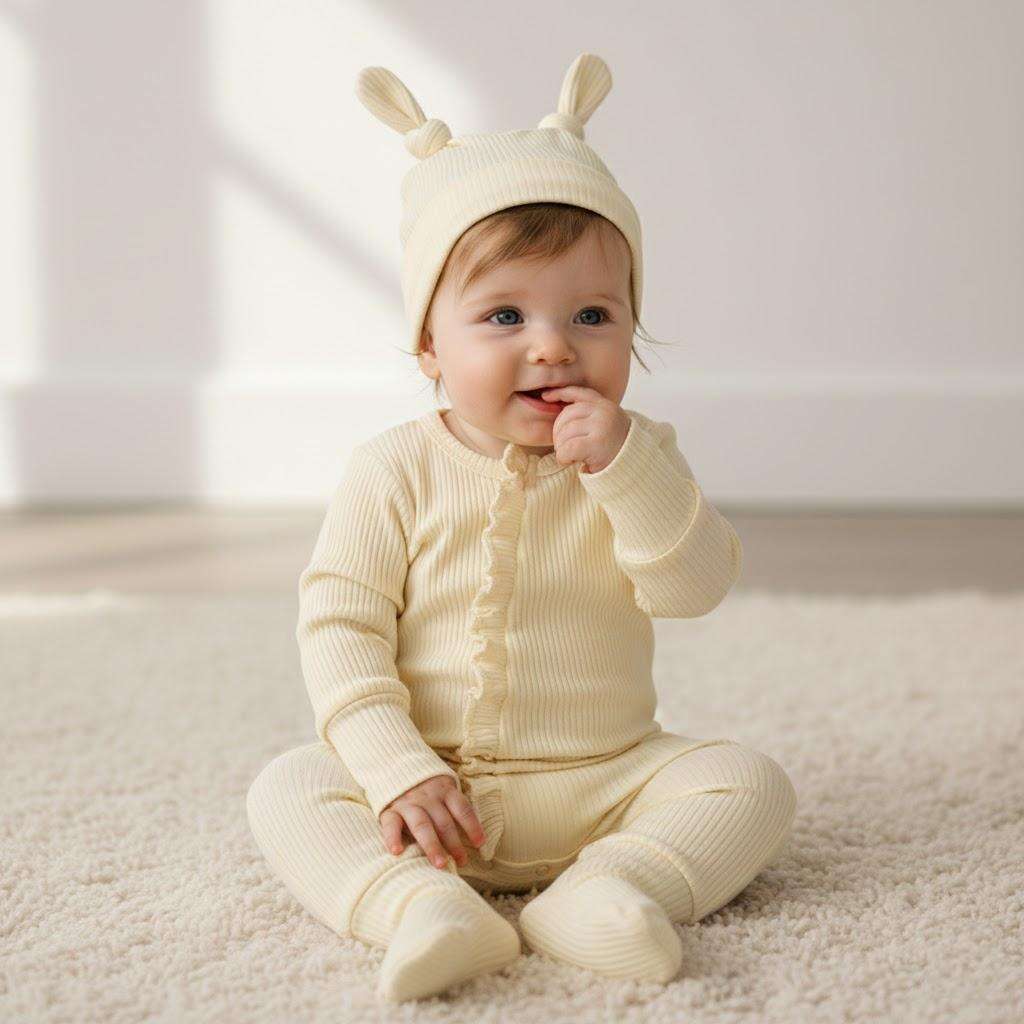
Ahogy a szülők egyre inkább tudatosabbak a környezetvédelem terén, a fenntarthatóság már nem csupán egy „plusz funkció”, hanem alapvető követelmény a gyermekruházatban. A gyermekruhák európai és amerikai márkái egyre inkább áttérnek olyan zöldebb textilanyagokra, amelyek védik a bolygót, miközben biztosítják a kisgyermekek számára a biztonságot és a kényelmet.
Ha a márkája fenntartható kollekciókba kíván belevágni, vagy teljes környezetbarát termékvonalat szeretne létrehozni, elengedhetetlen, hogy megismerje a jelenleg elérhető legjobb anyagokat. Ez az útmutató végigvezeti Önt 15 legjobb környezetbarát anyagon gyermekruházatra alkalmas, előnyeik, alkalmazásuk és piaci jelentőségük ismertetésével.
1. Szerves pamut
A szerves pamut a fenntartható gyermekruházat alapja.
Növényvédő szerek, szintetikus műtrágyák vagy géntechnológiás magok nélkül termesztik.
Fontos előnyei
•Hipoallergén és gyengéden hat érzékeny bőrre
•Légáteresztő és puha
•Támogatja a regeneratív mezőgazdaságot
•Jobb a földműveseknek és az ökoszisztémák számára
Leginkább használható
Baba köpenyek, kombinérok, pizsamák, pólók, alsóneműk, mindennapi alapdarabok.
2. GOTS-szertifikált pamut
A GOTS (Global Organic Textile Standard) az organikus mezőgazdaságon túlmutat – a teljes értékesítési láncot is tanúsítja, beleértve a szálgyártást, festést, nyomtatást és a varrást.
Előnyök
•Szigorú toxintesztelés
•Társadalmi megfelelőségi követelmények
•Biztosítja a termék biztonságát csecsemők és kisgyermekek számára
Ideális
Prémium organikus kollekciók, amelyek az európai és amerikai piacokra irányulnak.
3. Újrahasznosított pamut
Az újrahasznosított pamut ruhavágási maradékokat vagy használt ruhákat használ fel új fonalak előállításához.
Miért környezetbarát
•Csökkenti a szövet hulladékot
•Víz- és energia-megtakarítás
•Elkerüli az új pamuttermesztést
Használati esetek
Kényelmes gyerekruházat, sportnadrágok, pólók, otthoni viselet.
4. Bambuszviszkóz (környezetbarát feldolgozású)
A bambusz gyorsan nő műtrágya nélkül, és kevés vízre van szüksége.
Zárt ciklusú rendszerekben történő feldolgozás esetén környezetbarát anyagként jelenik meg.
Előnyök
•Természetesen puha és selymes
•Antibakteriális
•Erős nedvszívó képesség
•Hűsítő nyári viseléshez
Alkalmazások
Baba harisnya, alsóingek, fürdőlepedők, pólyák.
5. Gyapjú (lenrost)
A len egyike a Föld legfenntarthatóbb szálainak.
Előnyök
•Szinte nincs szükség öntözésre
•Természetesen antibakteriális
•Nagyon lélegzőképes
•Hosszú Élettartamú
Tökéletes.
Nyári ruhák, ingek, rövidnadrágok, uniszex készletek.
6. Kenderrosts
Talán a legkörnyezetbarátabb rost ma.
Miért kiemelkedő a kender
•Nem igényel növényvédő szereket
•Javítja a talaj egészségét
•Tartós, ugyanakkor lélegző
•Mosásra puhább lesz
Gyermekruházat használata
Használati típusú nadrágok, ingek, kabátok.
7. Tencel™ Lyocell
A Lenzing gyártja, a Tencel™ zárt oldószer-folyamat során készül zárt oldószer-folyamat , ami azt jelenti, hogy az oldószer 99%-a újrahasznosításra kerül.
Előnyök
•Simább és selymes
•Jól festhető
•Nedvességelvezető
•Biodegradáló
Alkalmazások
Prémium ruhák, bőrbarát pólók, babaruhák.
8. Modal (környezetbarát eljárás)
Egy másik cellulóz alapú szál, amely puhaságáról ismert.
Környezeti előnyök
•A nyersanyagot fenntarthatóan termesztett fákból nyerik
•Alacsonyabb vegyszer-felhasználás
•Hosszan tartó színállóság
Leginkább használható
Alvóruhák, harisnyanadrágok, babaruhák.
9. Hulladékból visszanyert poliészter (rPET)
Bár szintetikus anyag, a visszanyert poliészter jelentősen csökkenti a környezeti terhelést.
Előnyök
•Műanyag palackokból és tengeri hulladékból készül
•Tartós és rugalmas
•Csökkenti a szemétlerakók és az óceánok szennyezését
Használati esetek
Sportruházat, kabátok, bizonyos díszítőelemek.
10. Visszanyert nylon
Teljesítményre és külsejre használják.
Környezetbarát jellemzők
•Halászhálókból és nylon hulladékból készült
•Csökkenti az új kőolajra való függőséget
•Könnyensúlyú és Erős
Alkalmazások
Kültéri ruházat, esőkabátok, teljesítményorientált harisnya.
11. Gyapjú (Etilikusan forrásolt / mulesing-mentes)
Téli kollekciókhoz a felelős forrásból származó gyapjú fenntartható választás.
Miért környezetbarát
•Megújuló és lebomló
•Természetesen lángálló
•Kiváló izoláció
Gyermekruházatban használat
Kötött pulóverek, mellények, zoknik, sálak.
12. Szerves gyapjú
Prémium minőségű gyapjú, mely szabad a növényvédő szerek, vegyi anyagok és az etikátlan juhtenyésztési gyakorlatok hatása alól.
Tulajdonságok
•Hipoallergén
•Légáteresztő melegség
•Ideális babaruhákhoz
Legjobban alkalmas
Prémium téli kollekciók.
13. Parafa anyag
Az egyik leginnovatívabb környezetbarát anyag ma.
Környezetbarát előnyök
•A parafa begyűjtése nem árt a fának
•100% megújuló
•Vízvédett
•Vegán
Felhasználások
Kiegészítők gyerekeknek: táskák, puha cipők, kalapok.
14. Gomba bőr (Mycelium bőr)
A fenntartható divat csillaga a felemelkedésben.
Miért különleges
•Myceliumból (gombagyökerek) készült
•Teljesen bomló
•Nincs állati vagy műanyag tartalom
Alkalmazások
Márka kiegészítők: jelvények, szegélyek, kiegészítők.
15. Természetes növényi festékkel színezett anyagok
Ez az egyik leggyorsabban növekvő fenntartható kategória a gyermekruházatban – és kulcsfontosságú előny a butikmárkák számára.
Környezeti előnyök
•Zéró petrokémiai festékanyag
•Nem toxikus a baba bőrére
•Növényi alapanyagokból készült (gránátalma, bársonyvirág, indigó, jazmin, dióhéj stb.)
•Lebontható színforrások
Tökéletes.
Ruha, póló, pulóver, nadrág, újszülöttkészletek, pihenőruhák.
Hogyan kombinálhatják ezeket az anyagokat a gyerekruhák márkái
Az ökologikus anyagok még hatékonyabban működnek kombinálva:
•Organikus pamut + növényi festés → prémium természetes színgyűjtemények
•Tencel + természetes festékek → selymes, magasabb árkategóriás lányruhák
•Kender + organikus pamut → tartós kisgyermekkori kinti ruházat
•Bambusz + modal → extralágy alvóruhák
Anyagok keverése különböző termékváltozatokat (SKU) hoz létre, és erősíti a márkatörténet mesélését.
Miért fontosak ezek az anyagok a gyermekruházati márkák számára 2026-ban
1. A fogyasztói igény növekszik
Az európai és amerikai szülők aktívan keresik:
•szárazföldi
•növényi festékkel festett
•természetes szál
•mérgező anyagmentes gyermekruházatot
2. Szabályozási nyomás
A régiók szigorú megfelelést követelnek:
•CPSIA
•OEKO-TEX 100
•REACH
•GOTS
Az ökologikus anyagok segítik a márkákat az ezekben való könnyed átjutásban.
3. Márkakülönbségtétel
Egy zsúfolt piacon az fenntarthatóság segíti a márkákat abban, hogy kiemelkedjenek a tömegből:
•erőteljesebb történetmeséléssel
•magasabb érzékelt érték
•etikai identitással
4. Magasabb kiskereskedelmi árak
Az ökobarát gyerekruhák gyakran 30–80% magasabb kiskereskedelmi áron kerülnek értékesítésre.
Következtetés: Az ökológiai anyagok a gyermekmoda jövője
Az ökobarát anyagok már nem mélypiacon mozognak – egyre inkább a főáramlat részévé válnak. A gyerekruha-márkák számára a fenntartható textíliák alkalmazása a legrövidebb út az egészségesebb ruházathoz, erősebb márkaépítéshez és hosszú távú piaci sikerhez.
Akár laza alapdarabokat, prémium divatkollekciókat, akár teljes egyedi OEM/ODM vonalakat tervez, az itt felsorolt anyagok segíthetnek biztonságosabb, környezetbarátabb és versenyképesebb kollekciók létrehozásában.
Tartalomjegyzék
- 1. Szerves pamut
- 2. GOTS-szertifikált pamut
- 3. Újrahasznosított pamut
- 4. Bambuszviszkóz (környezetbarát feldolgozású)
- 5. Gyapjú (lenrost)
- 6. Kenderrosts
- 7. Tencel™ Lyocell
- 8. Modal (környezetbarát eljárás)
- 9. Hulladékból visszanyert poliészter (rPET)
- 10. Visszanyert nylon
- 11. Gyapjú (Etilikusan forrásolt / mulesing-mentes)
- 12. Szerves gyapjú
- 13. Parafa anyag
- 14. Gomba bőr (Mycelium bőr)
- 15. Természetes növényi festékkel színezett anyagok
- Hogyan kombinálhatják ezeket az anyagokat a gyerekruhák márkái
- Miért fontosak ezek az anyagok a gyermekruházati márkák számára 2026-ban
- Következtetés: Az ökológiai anyagok a gyermekmoda jövője