 EN
EN
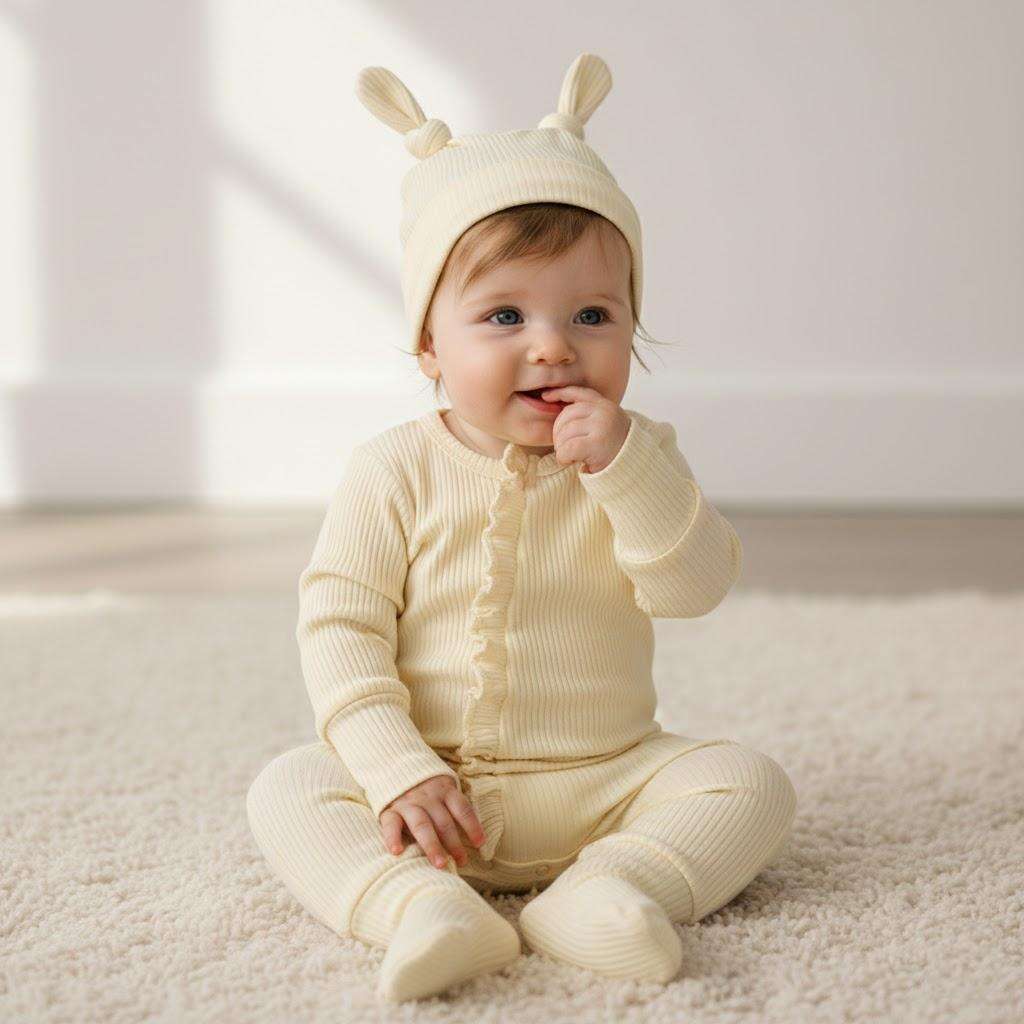
Con l'aumento della sensibilità ecologica tra i genitori, la sostenibilità non è più un “elemento aggiuntivo”, ma un requisito fondamentale nell'abbigliamento per bambini. I marchi di abbigliamento per bambini in Europa e negli Stati Uniti stanno passando a opzioni tessili più sostenibili che proteggono il pianeta garantendo al contempo sicurezza e comfort ai più piccoli.
Se il tuo marchio prevede di espandersi in collezioni sostenibili o di creare una linea di prodotti completamente ecologica, è essenziale conoscere i migliori materiali oggi disponibili. Questa guida ti accompagna attraverso 15 materiali ecologici leader adatto all'abbigliamento per bambini, spiegandone i benefici, le applicazioni e la rilevanza sul mercato.
1. Cotone Biologico
Il cotone biologico è alla base dell'abbigliamento sostenibile per bambini.
Viene coltivato senza pesticidi, fertilizzanti sintetici o semi geneticamente modificati.
Vantaggi Chiave
•Ipoallergenico e delicato sulla pelle sensibile
•Traspirante e morbido
•Supporta l'agricoltura rigenerativa
•Migliore per i contadini e gli ecosistemi
Miglior Utilizzo Per
Body per neonati, tutine, pigiami, T-shirt, biancheria intima, capi base per tutti i giorni.
2. Cotone Certificato GOTS
GOTS (Global Organic Textile Standard) va oltre l'agricoltura biologica: certifica anche l'intera catena di produzione, inclusi filatura, tintura, stampa e cucitura.
Vantaggi
•Test rigorosi per sostanze tossiche
•Requisiti di conformità sociale
•Garantisce la sicurezza del prodotto per neonati e bambini piccoli
Ideale per
Collezioni biologiche premium destinate ai mercati europeo e statunitense.
3. Cotone riciclato
Il cotone riciclato utilizza scarti di confezionamento o capi usati per creare nuovi filati.
Perché è ecologico
•Riduce gli sprechi tessili
•Risparmia acqua ed energia
•Evita la coltivazione di nuovo cotone
Casi di utilizzo
Abbigliamento casual per bambini, pantaloni tuta, felpe, abbigliamento comodo.
4. Viscosa di bambù (lavorata in modo ecologico)
Il bambù cresce rapidamente senza fertilizzanti e richiede poca acqua.
Quando lavorato attraverso sistemi a ciclo chiuso, diventa un'opzione di tessuto ecologica.
Vantaggi
•Naturalmente morbido e setoso
•Antibatterica
•Elevata capacità di traspirazione
•Fresco per l'abbigliamento estivo
Applicazioni
Leggings per neonati, canottiere, asciugamani da bagno, fasce per avvolgere.
5. Lino (fibra di lino)
Il lino è una delle fibre più sostenibili al mondo.
Vantaggi
•Richiede quasi nessun irrigazione
•Naturalmente antibatterico
•Altamente traspirante
•Durevole
Perfetto per
Abiti estivi, camicie, bermuda, set unisex.
6. Fibra di canapa
Forse la fibra più ecologica oggi.
Perché la canapa è eccezionale
•Nessun pesticida richiesto
•Migliora la salute del suolo
•Resistente ma Traspirante
•Si ammorbidisce con i lavaggi
Usi nell'abbigliamento per bambini
Pantaloni in stile utility, camicie, capi d'abbigliamento esterni.
7. Tencel™ Lyocell
Prodotto da Lenzing, il Tencel™ è ottenuto attraverso un processo di solvente a ciclo chiuso , il che significa che il 99% del solvente viene riciclato.
Vantaggi
•Liscio e setoso
•Assorbe bene i coloranti
•Antitraspirante
•Biodegradabile
Applicazioni
Abiti premium, t-shirt delicate sulla pelle, tutine per neonati.
8. Modal (lavorato in modo ecologico)
Un'altra fibra di cellulosa nota per la sua morbidezza.
Vantaggi Ecologici
•Alberi di origine coltivati in modo sostenibile
•Uso ridotto di sostanze chimiche
•Conservazione del colore a lungo termine
Miglior Utilizzo Per
Intimo, leggings, articoli essenziali per neonati.
9. Poliestere Riciclato (rPET)
Sebbene sintetico, il poliestere riciclato riduce significativamente l'impatto ambientale.
Vantaggi
•Prodotto da bottiglie di plastica e rifiuti marini
•Durevole e flessibile
•Riduce l'inquinamento delle discariche e degli oceani
Casi di utilizzo
Abbigliamento sportivo, giacche, alcuni accessori.
10. Nylon Riciclato
Utilizzato per prestazioni e abbigliamento esterno.
Caratteristiche ecologiche
•Realizzato con reti da pesca e scarti di nylon
•Riduce la dipendenza dal petrolio vergine
•Leggero e Resistente
Applicazioni
Abbigliamento outdoor, giacche a vento, leggings tecnici.
11. Lana (provenienza etica / senza mutilazione)
Per le collezioni invernali, la lana proveniente da fonti responsabili è una scelta sostenibile.
Perché è ecologico
•Rinnovabile e Biodegradabile
•Naturalmente ignifuga
•Ottimo isolamento
Uso in abbigliamento per bambini
Maglioni lavorati a maglia, cardigan, calze, sciarpe.
12. Lana Organica
Una lana di qualità superiore priva di pesticidi, prodotti chimici e pratiche di allevamento delle pecore non etiche.
Caratteristiche
•Ipoallergenici
•Calore traspirante
•Ideale per l'abbigliamento per neonati
Migliore per
Collezioni invernali di alta gamma.
13. Tessuto in Sughero
Uno dei materiali ecologici più innovativi oggi.
Benefici ecologici
•La raccolta del sughero non danneggia l'albero
•100% rinnovabile
•Resistenza all'acqua
•Vegan
Utilizzi
Accessori per bambini: borse, scarpe morbide, cappelli.
14. Pelle di fungo (Pelle di micelio)
La stella emergente della moda sostenibile.
Perché è unica
•Realizzata con micelio (radici fungine)
•Completamente biodegradabile
•Senza contenuto animale o plastico
Applicazioni
Accessori opzionali del marchio: patch, bordi, accessori.
15. Tessuti tinti con piante naturali
Questa è una delle categorie sostenibili in più rapida crescita nell'abbigliamento per bambini — e un vantaggio chiave per i marchi boutique.
Vantaggi Ecologici
•Tinture prive di petrochimici
•Non tossiche per la pelle dei neonati
•Realizzato con ingredienti botanici (melograno, robbia, indaco, gardenia, guscio di noce, ecc.)
•Fonti di colore biodegradabili
Perfetto per
Abiti, t-shirt, felpe, pantaloni, completi per neonati, abbigliamento comodo.
Come i marchi di abbigliamento per bambini possono combinare questi materiali
I materiali ecologici funzionano ancora meglio quando combinati:
•Cotone organico + tintura vegetale → collezioni di colori naturali premium
•Tencel + coloranti naturali → abbigliamento femminile di alta qualità dalla texture setosa
•Canapa + cotone organico → abbigliamento esterno duraturo per bambini
•Bambù + modal → abbigliamento da notte supermorbido
La combinazione di materiali crea SKU differenziati e rafforza la narrazione del brand.
Perché questi materiali sono importanti per i brand di abbigliamento per bambini nel 2026
1. La domanda dei consumatori è in aumento
I genitori in Europa e negli Stati Uniti cercano attivamente:
•biologico
•tinti con estratti vegetali
•fibra naturale
•abbigliamento per bambini senza tossine
2. Pressione normativa
Le regioni richiedono un rigoroso rispetto delle normative:
•CPSIA
•OEKO-TEX 100
•Raggiungere
•GOTS
I materiali ecologici aiutano i brand a superare facilmente questi test.
3. Differenziazione del Marchio
In un mercato affollato, la sostenibilità aiuta i brand a distinguersi grazie a:
•una narrazione più forte
•valore percepito maggiore
•un'identità etica
4. Prezzi al dettaglio più elevati
L'abbigliamento per bambini ecologico ottiene spesso prezzi al dettaglio superiori del 30-80%.
Conclusione: i materiali ecologici sono il futuro della moda per bambini
I materiali ecologici non sono più una nicchia: stanno diventando mainstream. Per i brand di abbigliamento per bambini, l'adozione di tessuti sostenibili è il percorso più rapido verso capi più salubri, un branding più solido e un successo di mercato a lungo termine.
Che tu stia progettando capi casual, articoli di alta moda o intere linee personalizzate OEM/ODM, i materiali elencati qui possono aiutarti a creare collezioni più sicure, ecologiche e competitive.
Indice
- 1. Cotone Biologico
- 2. Cotone Certificato GOTS
- 3. Cotone riciclato
- 4. Viscosa di bambù (lavorata in modo ecologico)
- 5. Lino (fibra di lino)
- 6. Fibra di canapa
- 7. Tencel™ Lyocell
- 8. Modal (lavorato in modo ecologico)
- 9. Poliestere Riciclato (rPET)
- 10. Nylon Riciclato
- 11. Lana (provenienza etica / senza mutilazione)
- 12. Lana Organica
- 13. Tessuto in Sughero
- 14. Pelle di fungo (Pelle di micelio)
- 15. Tessuti tinti con piante naturali
- Come i marchi di abbigliamento per bambini possono combinare questi materiali
- Perché questi materiali sono importanti per i brand di abbigliamento per bambini nel 2026
- Conclusione: i materiali ecologici sono il futuro della moda per bambini